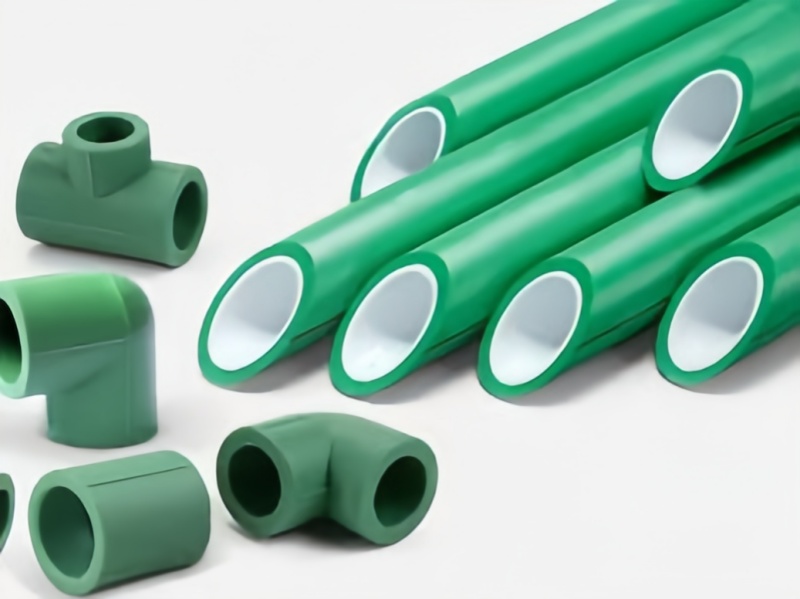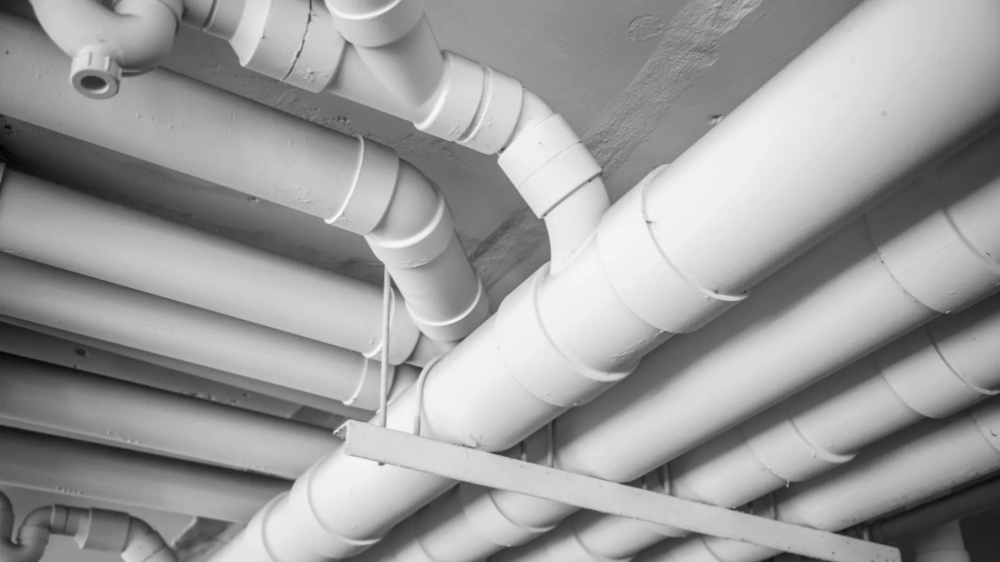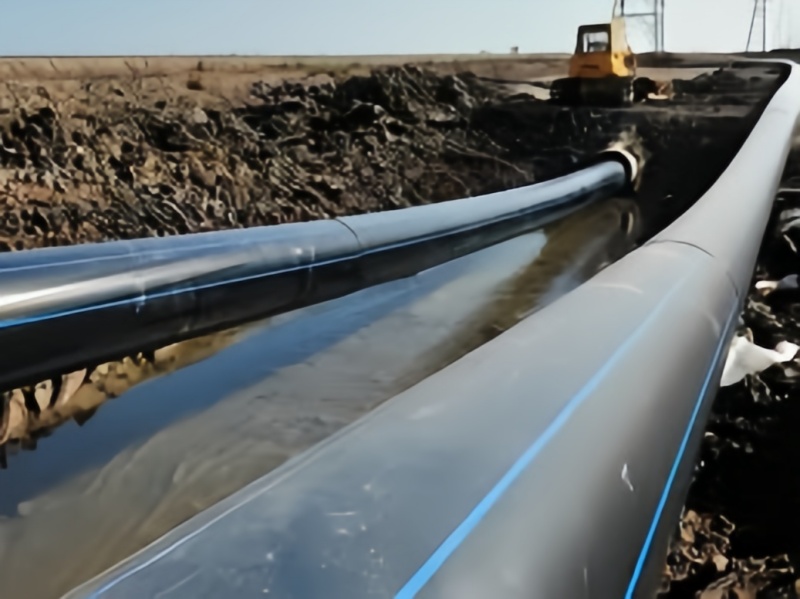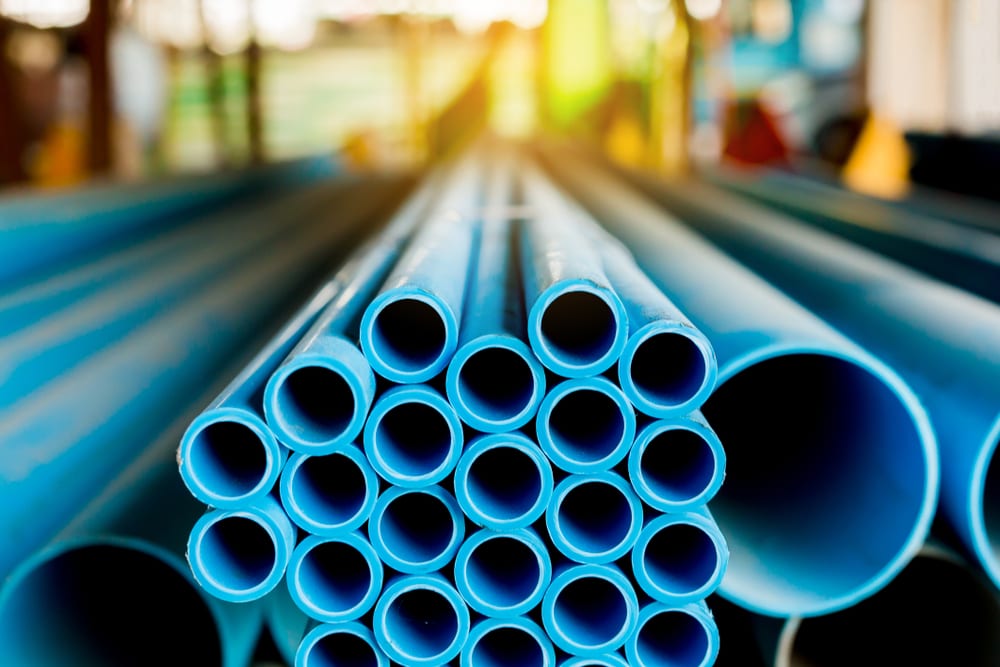










The PVC pipe production line plays a pivotal role in the modern manufacturing industry by enabling the efficient and sustainable production of polyvinyl chloride (PVC) pipes. These pipes, known for their durability, cost-effectiveness, and versatility, are used in various applications, including plumbing, drainage, irrigation systems, electrical conduits, and construction projects. The production line processes raw PVC materials into high-quality pipes that meet the rigorous standards of today’s market.
The production process of PVC pipes begins with the careful preparation of raw materials. PVC resin, along with additives like stabilizers, lubricants, and colorants, are combined to form a specialized compound that is suitable for extrusion. Once the mixture is ready, it is fed into an extruder, a machine that melts the compound and forces it through a specially designed die to create a continuous pipe shape. This extrusion process ensures that the pipe has uniform consistency, smooth surfaces, and the correct wall thickness, which are critical for its performance and longevity.
The extruder is a central component of the production line, consisting of a screw, barrel, and motor system. As the raw PVC compound moves through the extruder, it is melted by the heat generated within the system. The screw then pushes the molten material forward, ensuring that it exits through the die in a consistent flow. The temperature and pressure inside the extruder are closely monitored and controlled to guarantee the right material properties for the final product.
After extrusion, the newly formed pipe is subjected to a cooling process to solidify it and maintain its desired shape. Cooling methods can vary, but most commonly, pipes are cooled in a water bath or through air cooling systems. This step is essential for ensuring that the pipes maintain their precise dimensions, including internal and external diameters, and meet the required mechanical properties.
Once cooled, the pipes are cut into predetermined lengths using an automatic cutting machine. This machine is programmed to make precise cuts based on the specifications, ensuring minimal waste and maximum accuracy. Additionally, some production lines may incorporate features like marking or printing systems that label the pipes with necessary product information, such as size, brand, and manufacturing details.
Advanced technology has made it possible for PVC pipe production lines to be highly automated, reducing labor costs and enhancing operational efficiency. Control systems equipped with sensors monitor various parameters during production, such as temperature, pressure, and extrusion speed. By continuously analyzing these metrics, the system can adjust settings in real-time, ensuring consistent product quality and reducing the risk of defects or deviations.
The versatility of PVC pipe production lines is another key benefit. These lines can be adapted to produce pipes in a range of diameters and wall thicknesses, catering to different market demands. Some advanced production lines also allow for multi-layer pipe manufacturing, where different types of materials are layered together to create pipes with enhanced strength, insulation properties, or resistance to specific environmental conditions.
The environmental impact of PVC pipe production has also become a significant focus in recent years. Modern production lines are designed with energy efficiency in mind, incorporating eco-friendly technologies that reduce waste and energy consumption. Some systems even offer the capability to recycle scrap material, further improving sustainability.
In addition to the benefits of energy efficiency and waste reduction, PVC pipes are inherently durable, resistant to corrosion, and require little maintenance, making them an attractive option for a wide range of industries. The adaptability of the production line ensures that manufacturers can cater to various sectors, including residential, commercial, and industrial markets, while maintaining high product standards.
In conclusion, the PVC pipe production line is an indispensable asset in the manufacturing of PVC pipes, providing an efficient, flexible, and sustainable solution for producing high-quality products. As industries continue to demand reliable, cost-effective piping solutions, the PVC pipe production line will remain a key enabler of innovation and quality in the global market. With advancements in technology, these production lines will only become more sophisticated, meeting the ever-increasing requirements for performance, durability, and sustainability in the construction and infrastructure sectors.