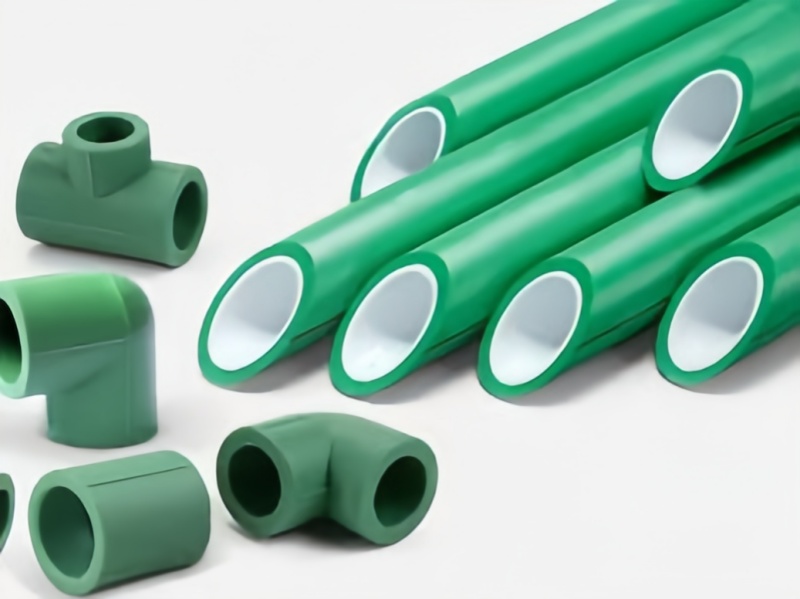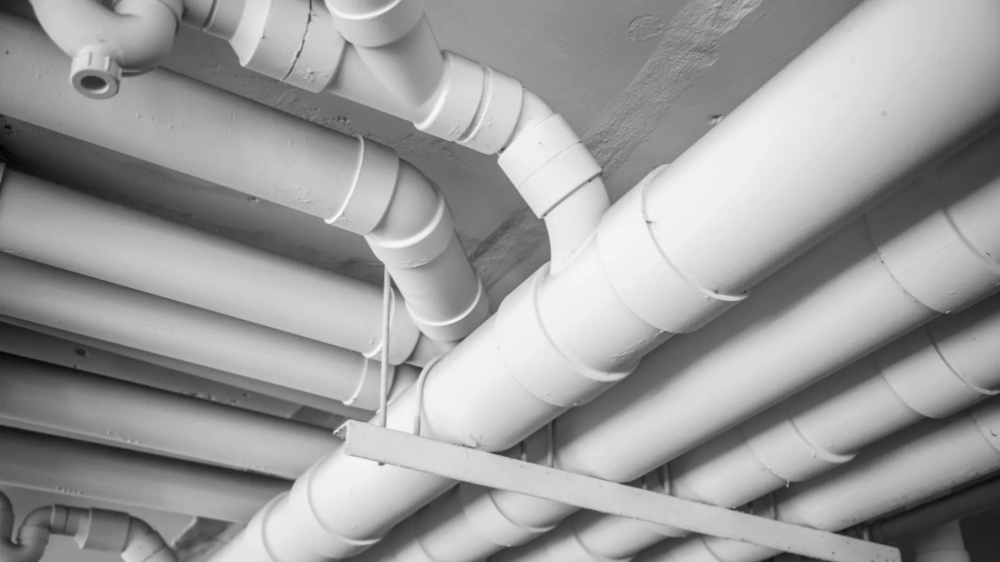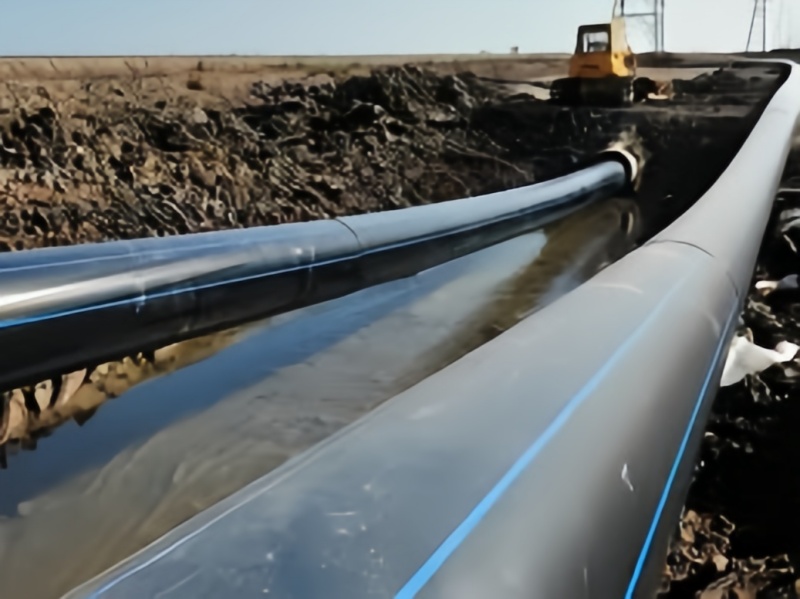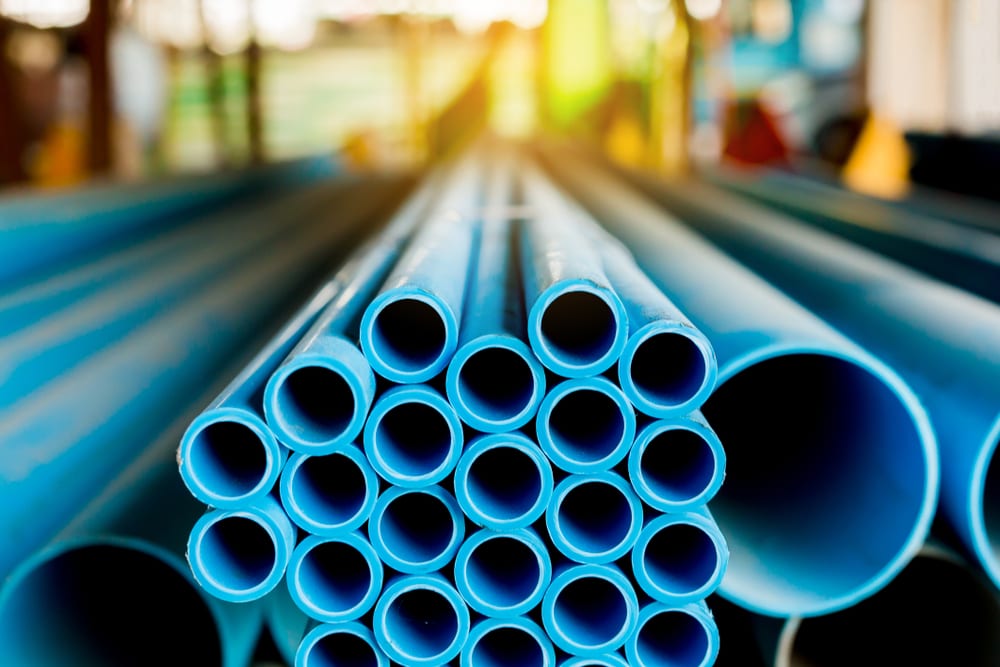










The PPR pipe production line is an essential piece of machinery used in the manufacturing of polypropylene random copolymer (PPR) pipes, which are widely utilized in plumbing, heating systems, and industrial applications. PPR pipes are known for their excellent resistance to high temperatures, chemical corrosion, and mechanical stress, making them an ideal choice for hot and cold water supply systems. With the rise in demand for durable and energy-efficient piping solutions, the PPR pipe production line has become a cornerstone of modern pipe manufacturing.
The production process of PPR pipes begins with the preparation of raw materials. Polypropylene random copolymer (PPR) pellets, along with necessary additives, such as stabilizers and colorants, are mixed together to create a homogeneous blend. This blend is then fed into the extruder, which is the heart of the PPR pipe production line. The extruder melts the raw material under controlled heat and pressure, transforming it into a molten, moldable state. The extruder screw pushes the melted PPR through the die, forming it into a continuous pipe.
A key component of the PPR pipe production line is the die, which determines the final shape and dimensions of the pipe. The die is carefully designed to create PPR pipes with precise diameters and consistent wall thickness. During the extrusion process, the temperature, pressure, and screw speed must be finely controlled to ensure that the material flows smoothly and forms the desired pipe characteristics. Any deviations in these factors can result in defects like uneven walls, dimensional inconsistencies, or surface imperfections.
Once the pipe exits the extruder and passes through the die, it enters a cooling system, usually consisting of a vacuum calibration tank and a water cooling bath. These cooling methods are vital to maintain the shape and dimensions of the pipe, preventing warping or distortion. The vacuum calibration tank ensures that the pipe maintains the required diameter, while the water cooling bath solidifies the pipe and gives it a smooth, polished surface.
After cooling, the pipe moves on to the haul-off unit, which pulls the pipe along at a constant speed. This unit helps maintain the continuity of production and ensures that the pipe’s length is consistent. The next step in the process involves cutting the pipe into predetermined lengths using an automatic cutting machine. The cutting machine ensures precision and efficiency, minimizing material waste and improving overall productivity.
One of the standout features of a modern PPR pipe production line is the incorporation of advanced control systems. These systems monitor parameters such as temperature, extrusion speed, and cooling conditions in real time, ensuring that the entire production process remains stable and consistent. The control systems are typically equipped with touch-screen interfaces, allowing operators to easily adjust settings and receive alerts for any deviations in production. This level of automation not only reduces labor costs but also helps manufacturers maintain high product quality while improving operational efficiency.
The versatility of PPR pipe production lines is another significant advantage. With adjustable molds and dies, manufacturers can produce PPR pipes in a wide range of sizes and pressure ratings to meet the needs of different markets. Whether producing pipes for residential plumbing systems or large industrial applications, the PPR pipe production line can be easily tailored to accommodate various specifications.
From an environmental perspective, the PPR pipe production line also supports sustainability efforts. Polypropylene is a recyclable material, and many modern production lines incorporate features that minimize energy consumption, reduce material waste, and recycle scrap material back into the production process. These eco-friendly practices contribute to reducing the overall carbon footprint of the manufacturing process.
In conclusion, the PPR pipe production line is a highly efficient and flexible solution for manufacturing high-quality PPR pipes. Its ability to produce durable, chemically resistant pipes with precise dimensions makes it an essential tool in industries ranging from construction and plumbing to industrial applications. With advanced automation, energy efficiency, and sustainability features, the PPR pipe production line ensures that manufacturers can meet the increasing global demand for reliable and cost-effective piping solutions.