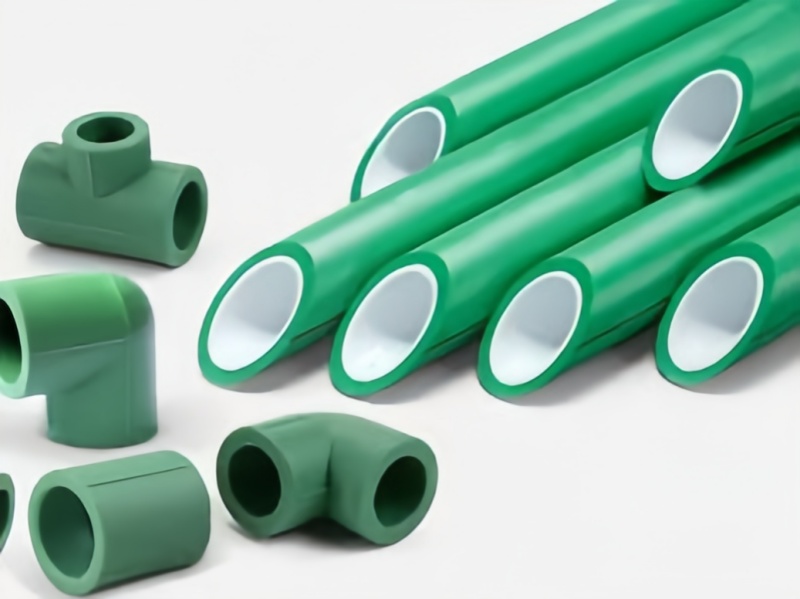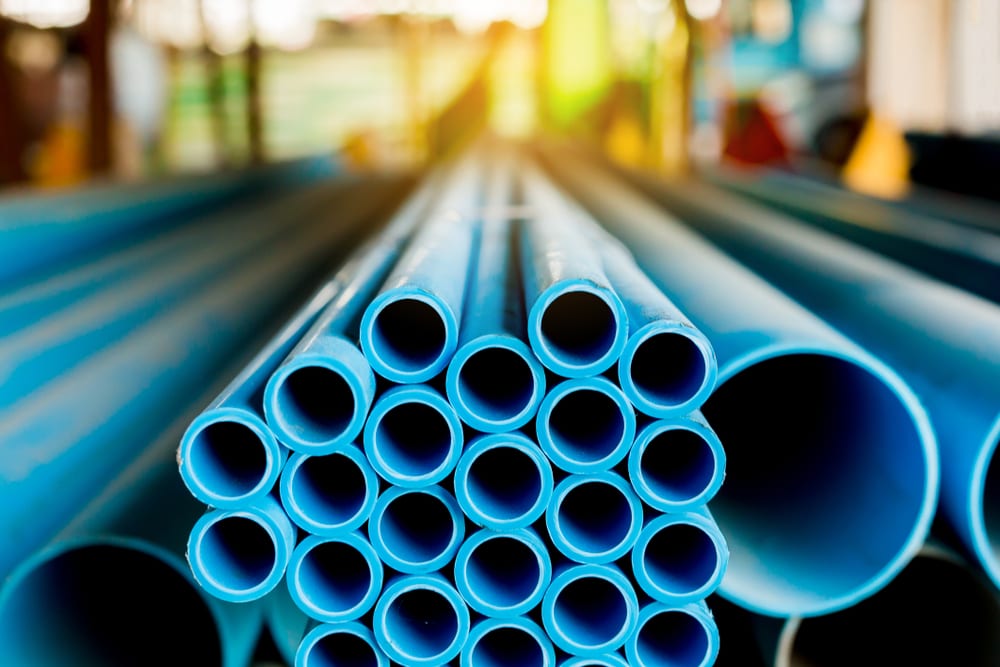












Plastic granules—also known as polymer pellets or resin beads—serve as the foundational raw material for nearly all plastic manufacturing processes. Engineered to deliver precise mechanical, thermal, and chemical properties, these uniform pellets cater to diverse industries, from packaging and automotive to construction and medical devices. Available in virgin, recycled, and specialty formulations, plastic granules offer unmatched versatility, cost-efficiency, and sustainability, making them indispensable in modern production chains worldwide.
Key Types & Core Properties of Plastic Granules
Commodity Plastic Granules
Polyethylene (PE) Granules
The most widely used thermoplastic, PE granules are divided into low-density (LDPE), high-density (HDPE), and linear low-density (LLDPE) variants. LDPE granules excel in flexibility and moisture resistance, ideal for packaging films and squeeze bottles. HDPE granules offer exceptional rigidity, chemical resistance, and durability, used in piping systems, milk jugs, and industrial containers. LLDPE granules combine strength and toughness, suitable for heavy-duty packaging and agricultural films. All PE variants are highly recyclable and cost-effective, with recycled HDPE (rHDPE) granules retaining 90% of virgin material performance.
Polypropylene (PP) Granules
Lightweight and heat-resistant (up to 130°C), PP granules boast excellent chemical resistance and fatigue strength—perfect for living hinges, automotive components, and food containers. They can be processed with high recycled content (rPP) without compromising quality, supporting circular economy goals. Medical-grade PP granules meet FDA and USP Class VI standards, used in surgical instruments and disposable devices, while fiber-grade PP granules are transformed into non-woven fabrics for hygiene products.
Polyvinyl Chloride (PVC) Granules
Available in rigid (uPVC) and flexible forms, PVC granules offer flame resistance, electrical insulation, and structural stability. Rigid PVC granules are the backbone of construction materials like window profiles and pipes, while flexible PVC (with plasticizers) is used in medical tubing and wire insulation. Recycled PVC (rPVC) granules are increasingly adopted in building materials and cable jacketing, with advancements in sorting technology reducing contamination risks.
Polyethylene Terephthalate (PET) Granules
Valued for clarity, strength, and recyclability, PET granules are the primary material for beverage bottles and food trays. Recycled PET (rPET) granules drive the "bottle-to-fiber" cycle, used in polyester clothing, carpeting, and food-grade packaging. High-performance PET variants offer enhanced thermal stability, suitable for engineering components and electrical enclosures.
Engineering & Specialty Plastic Granules
Polycarbonate (PC) Granules
Renowned for impact resistance (250x stronger than glass) and optical clarity, PC granules serve in automotive headlamps, electronic device housings, and medical equipment. Grades like Makrolon® PC 2400 deliver tensile strength ≥65 MPa and thermal stability from -40°C to 135°C, meeting aerospace and healthcare standards. Flame-retardant PC granules achieve UL 94 V-2 certification, ideal for electrical connectors and power tools.
Polysulfone (PSU) Granules
Engineered for extreme conditions, PSU granules offer continuous service temperatures up to 180°C, chemical resistance to acids and bases, and hydrolytic stability. They are used in aerospace components, water purification membranes, and reusable medical devices compliant with USP Class VI standards. High-molecular-weight PSU granules provide superior creep resistance for structural parts and filtration systems.
Recycled Plastic Granules
As circular economy initiatives gain momentum, recycled plastic granules (rPET, rHDPE, rPP, rPVC) have become a sustainable alternative to virgin materials. Produced via sorting, cleaning, and extrusion of post-consumer and post-industrial waste, these granules reduce carbon emissions by up to 70% compared to virgin plastics. Advanced processing technologies—including AI sorting and infrared detection—ensure purity levels exceeding 99%, enabling use in high-value applications like automotive interiors and food packaging.
Industry Applications & Performance Advantages
Packaging Industry
Plastic granules dominate packaging due to their versatility and cost-efficiency. LDPE and LLDPE granules produce flexible films for food packaging and industrial wraps, while HDPE and PET granules form rigid containers for beverages, detergents, and cosmetics. Recycled rPET granules are increasingly used in sustainable packaging, with major brands committing to 30% recycled content by 2025. The low moisture permeability of PE and PET granules extends product shelf life, reducing food waste.
Automotive & Transportation
Automotive manufacturers rely on plastic granules for lightweighting and performance. PP granules create interior components (dashboards, door panels) and under-hood parts, reducing vehicle weight by up to 15% and improving fuel efficiency. PC and ABS blend granules offer impact resistance for bumpers and exterior trims, while recycled rPP granules meet ISO 14021 standards for eco-friendly interiors. Specialty granules like flame-retardant PC/ABS support electric vehicle (EV) battery enclosures, ensuring safety and thermal management.
Construction & Infrastructure
In construction, HDPE and uPVC granules are used in piping systems, window profiles, and insulation materials. HDPE pipe granules provide corrosion resistance and leak-proof performance, ideal for water supply and drainage networks. uPVC granules offer weather resistance and thermal insulation, contributing to energy-efficient buildings with low U-values. Recycled rHDPE granules are transformed into plastic lumber and outdoor furniture, reducing deforestation and landfill waste.
Medical & Healthcare
Medical-grade plastic granules (PP, PC, PSU) meet strict biocompatibility standards (FDA, USP Class VI). PP granules are used in disposable syringes and surgical drapes, while PC granules form transparent medical devices like dialyzers and endoscope components. PSU granules withstand repeated steam sterilization, making them suitable for reusable surgical instruments. These granules ensure sterility, chemical resistance, and mechanical reliability in critical healthcare settings.
Electronics & Electrical
Plastic granules deliver insulation, flame resistance, and dimensional stability for electronics. PC and ABS granules create device housings and laptop shells, while PVC granules insulate wires and cables. Flame-retardant grades (UL 94 V-0) prevent fire spread in electrical components, and high-temperature-resistant PSU granules support 5G 基站 antennas and power electronics. The excellent dielectric strength of plastic granules (up to 25 kV/mm for PC) ensures electrical safety.
Why Choose Premium Plastic Granule Solutions?
Partnering with trusted plastic granule suppliers ensures access to:
Custom Formulations: Tailored granules with adjusted melt flow rate (MFR), tensile strength, and additive packages (UV stabilizers, flame retardants) for specific applications.
Quality Compliance: Adherence to global standards (ISO, FDA, GRS, ISCC PLUS) for food contact, medical use, and environmental sustainability.
Consistency & Reliability: Advanced manufacturing processes (extrusion, compounding) guarantee uniform particle size, melt flow, and color consistency, reducing production defects.
Sustainability Support: Access to recycled granules with verified recycled content, carbon footprint reporting, and closed-loop recycling programs.
Technical Expertise: End-to-end support from material selection to processing optimization, ensuring optimal performance in injection molding, extrusion, and blow molding.
Plastic granules are the backbone of modern manufacturing, offering a balance of performance, cost, and sustainability. As industries prioritize circular economy and energy efficiency, the demand for high-quality, recycled, and specialty plastic granules continues to grow—driving innovation and expanding application boundaries worldwide.